
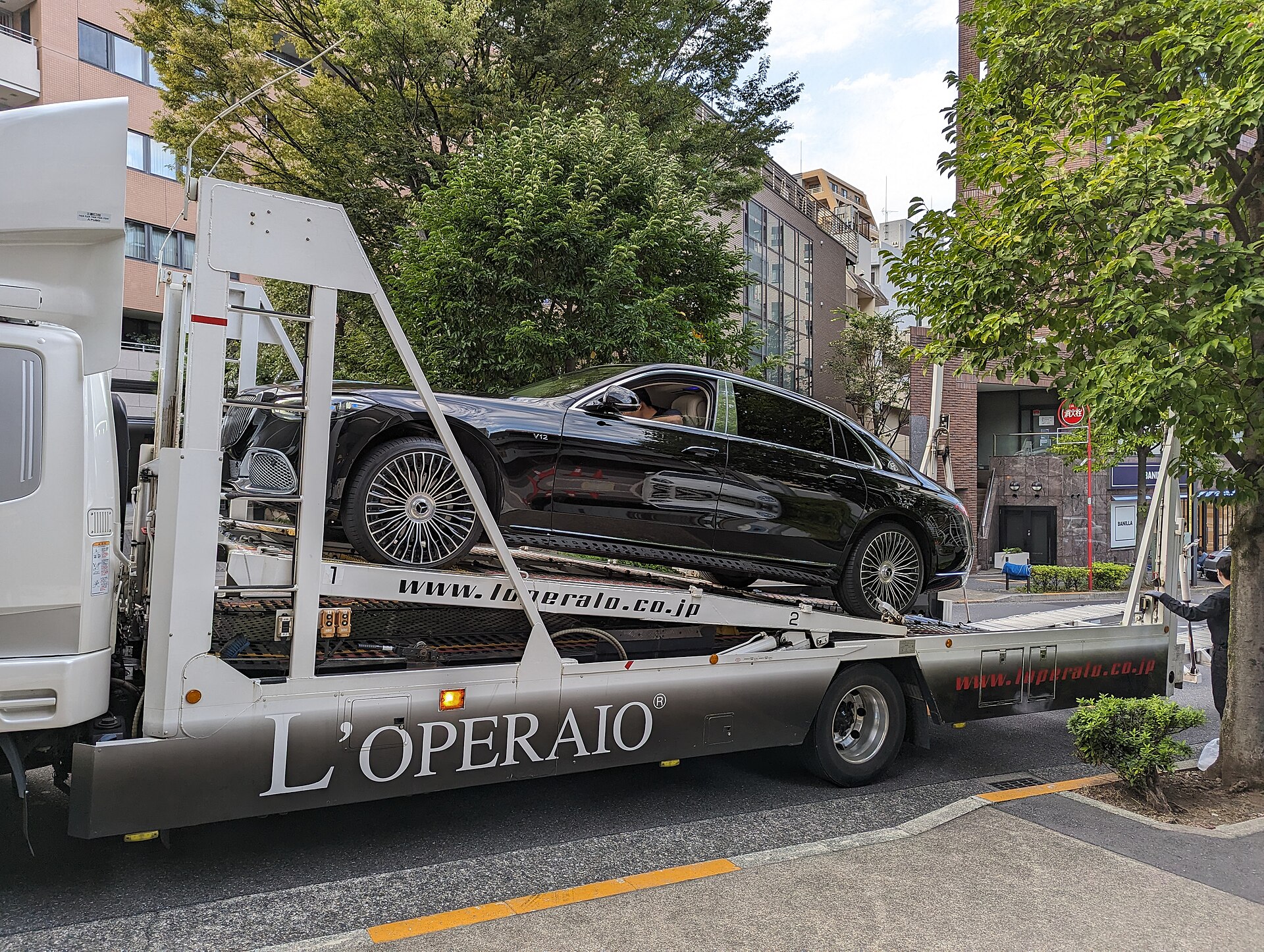
What Happens After You Accept an Auto Transport Quote?
The lifecycle of a load: from broker posting on Central Dispatch to independent driver acceptance, route scheduling, and potential rate renegotiation.
Research auto transport companies, understand customer experiences, and learn what to look for before trusting someone with your vehicle. Sourced from federal licensing records, published company policies, and documented complaint records.
FIELD DOSSIER: INTERSTATE CORRIDOR I-80 FREIGHT TERMINALS
A four-pillar analytical model designed to deconstruct intermediary freight sales, verified driver logs, and consumer contractual protection.
Understand who operates in the auto transport industry. FMCSA authority audits, broker bond thresholds, and carrier verification.
Explore documented consumer experiences, contract discrepancies, timeline delays, and recurring delivery concerns.
Understand lowball quotes, initial deposits, non-refundable clauses, cancellation penalties, and hidden fuel surcharges.
Learn about broker relationships, carrier bill-of-lading responsibilities, cargo liability, and regulatory dispute resources.
From brokers and independent carriers to algorithmic dispatch bidding and real-time load board dynamics, discover what happens behind the scenes when you ship a vehicle across state lines.
Over 82% of consumer car shipping transactions originate with booking brokers who do not own trucks, trailers, or direct commercial cargo policies.
The lifecycle of a load: from broker posting on Central Dispatch to independent driver acceptance, route scheduling, and potential rate renegotiation.
How to differentiate between licensed property brokers holding BMC-84 surety bonds and physical motor carriers holding active Form MCS-90 endorsement.
Examining standard carrier booking agreements, the legality of unilateral fee retentions, and bank dispute protocols when dates lapse.
Regional diesel surges, multi-car ramp density, and spot freight price volatility: how uncommitted bids lead to price adjustments.
A comprehensive walk-through on decoding USDOT numbers, checking pending revocation notices, and verifying minimum $75,000 surety bond filings.
The legal significance of carrier sign-offs, photo logging before loading, and what makes a pre-existing scratch notation legally binding.
Research company information, public records, business models, policies, and available consumer feedback. We do not sell promotional badges, star boosts, or placement rights.
NOTE: These are composite scenarios built from patterns documented in our complaint index (/complaints/). They describe no single company, carry no private names, and are illustrative rather than case records.
"The initial quote confirmed a 48-hour pickup window in Dallas. After paying the $250 earnest fee, dispatch stated carriers were unavailable unless the total rate was increased by $380."
"The booking entity ceased responding once the vehicle was picked up. We were given the direct cell phone of an owner-operator who spoke limited English and had no access to the booking portal."
"Scrape on front bumper apron during unloading from upper deck ramp. Driver refused to let me note it on digital delivery app before signing. Pre-loading time-stamped photos resolved the claim."
Federal motor carrier regulations grant specific protections to personal vehicle owners during interstate transit. Learn the four critical benchmarks.
By federal statute (49 U.S.C. § 13102), a broker arranges transportation for compensation but is not a motor carrier. They cannot guarantee transit schedules unless explicitly contracted with direct carrier commitments.
Motor carriers operating interstate are required to maintain public liability insurance. However, personal vehicle owners must verify cargo insurance limits, certificate deductibles, and "acts of god" exclusions.
If an auto broker fails to assign an authorized motor carrier within the contracted dispatch window, consumers retain specific rights to dispute upfront deposits under credit card consumer protection rules (FCBA 15 U.S.C. § 1666) and common law contractual breach thresholds. Never authorize payments via non-reversible cash transfer apps prior to an assigned driver BOL assignment.
When informal dispute resolution fails, consumers have formal access to three verified government channels: the FMCSA National Consumer Complaint Database (NCCDB), State Attorney General Consumer Protection Units, and the broker's $75,000 BMC-84 Surety Bond.
Our research strictly separates public records, documented information, consumer-submitted experiences, and editorial analysis.
Every data point correlates with primary records: FMCSA licensing, SAFER safety dockets, state corporate registries, or physical bill of lading records.
We maintain rigorous editorial labeling. Consumer opinions are isolated from verified government enforcement actions and technical legal analyses.
If an entity updates its legal corporate filing or resolves a regulatory inquiry, we publish a permanent changelog noting dates, changes, and verified documents.
Every company reviewed has a formalized protocol to submit formal replies, rebuttal evidence, or updated licensing certificates within 14 business days.
Get independent research reports, regulatory updates, carrier revocations, and consumer advisories delivered bi-weekly directly to your inbox.